Hounslow Heath gardeners guide wildflower and lawn care
If you garden near Hounslow Heath, you already know the ground can be a mixed bag. One patch dries out quickly, the next stays damp after a bit of rain, and lawns can start looking tired faster than you'd like. At the same time, wildflower areas can either thrive beautifully or disappear under coarse grass and weeds if they're not managed with a light but steady hand. This Hounslow Heath gardeners guide wildflower and lawn care brings both sides together so you can keep things practical, attractive, and genuinely manageable.
The big idea is simple: wildflower spaces and lawns need different care, but they should still work together as one garden. Get that balance right and you end up with more colour, better structure, less guesswork, and a garden that feels cared for rather than constantly fought with. Let's face it, no one wants to spend every weekend correcting the same problems.
Below, you'll find a clear local guide to what works, what to avoid, and when it makes sense to bring in professional help through services like garden maintenance, lawn mowing, or broader landscape gardening support.
Table of Contents
- Why Hounslow Heath gardeners guide wildflower and lawn care matters
- How Hounslow Heath gardeners guide wildflower and lawn care works
- Key benefits and practical advantages
- Who this is for and when it makes sense
- Step-by-step guidance
- Expert tips for better results
- Common mistakes to avoid
- Tools, resources and recommendations
- Law, compliance, standards, or best practice
- Options, methods, or comparison table
- Case study or real-world example
- Practical checklist
- Conclusion
- Frequently asked questions
Why Hounslow Heath gardeners guide wildflower and lawn care Matters
Wildflower planting and lawn care are often treated like separate jobs, but in a real garden they interact every day. A lawn that is too hungry, too short, or too compacted can throw seed into the wrong areas and make wildflowers struggle. A wildflower patch that is cut at the wrong time can turn shaggy, set too much seed, or become dominated by aggressive grasses. You end up losing the look you wanted in the first place.
That matters in Hounslow because many gardens sit within a busy urban pattern: small front lawns, rear gardens with partial shade, clay-ish soil in places, hard landscaping nearby, and plenty of foot traffic. In that sort of setting, your garden doesn't need overcomplication. It needs rhythm. A bit of mowing here, a bit of selective cutting there, and a good eye for where the balance is slipping.
There's also the local visual side. Mixed planting and tidy lawn edges can make even a modest plot feel much calmer. A wildflower strip can soften fencing or decking, while a properly managed lawn gives the whole space a clean frame. If you are improving a more complex garden layout, it may help to think in terms of zones rather than one single maintenance routine. That is usually where landscaping comes into play, especially if you're reshaping beds, borders, or access routes.
Key point: the aim is not to make the garden look wild all the time. It's to make it look intentional, healthy, and easy enough to keep that way.
How Hounslow Heath gardeners guide wildflower and lawn care Works
At its core, the approach is about matching care to plant type and season. Lawns are maintained for density, texture, and usable space. Wildflower areas are maintained for biodiversity, variety, and controlled naturalism. That sounds tidy on paper. In practice, it means you adjust mowing height, timing, feeding, and cutting frequency depending on what each area is supposed to do.
A healthy lawn usually benefits from regular mowing, occasional aeration, weed control where appropriate, and careful watering during dry periods. Wildflower spaces usually need the opposite mindset: lean soil, less feeding, less disturbance, and a cut at specific times to stop coarse growth taking over. If you feed a wildflower meadow like a prize lawn, it will often become greener, yes, but not necessarily better. Nature can be a bit contrary like that.
For Hounslow Heath-style conditions, the most useful method is often a split routine:
- Lawns: mow regularly in the growing season, but don't scalp the grass.
- Wildflower patches: cut once or twice a year, depending on the mix and the space.
- Edges and transitions: keep the boundary between lawn and wildflower area crisp so the garden reads clearly.
- Soil care: avoid overfeeding unless the lawn genuinely needs recovery.
If you want to keep the whole space working week after week rather than just looking good for one weekend, this is exactly the kind of routine that sits well within garden maintenance plans.
Key Benefits and Practical Advantages
There are several real-world gains to getting this mix right. Some are obvious, some are quieter but just as valuable.
- Better appearance: a neat lawn makes wildflowers look more deliberate, and wildflowers stop the lawn from feeling flat or overmanaged.
- Lower long-term stress: once the routine is settled, you spend less time rescuing the garden from itself.
- More seasonal interest: lawns hold the space in colder months, while wildflowers bring movement and colour in the warmer ones.
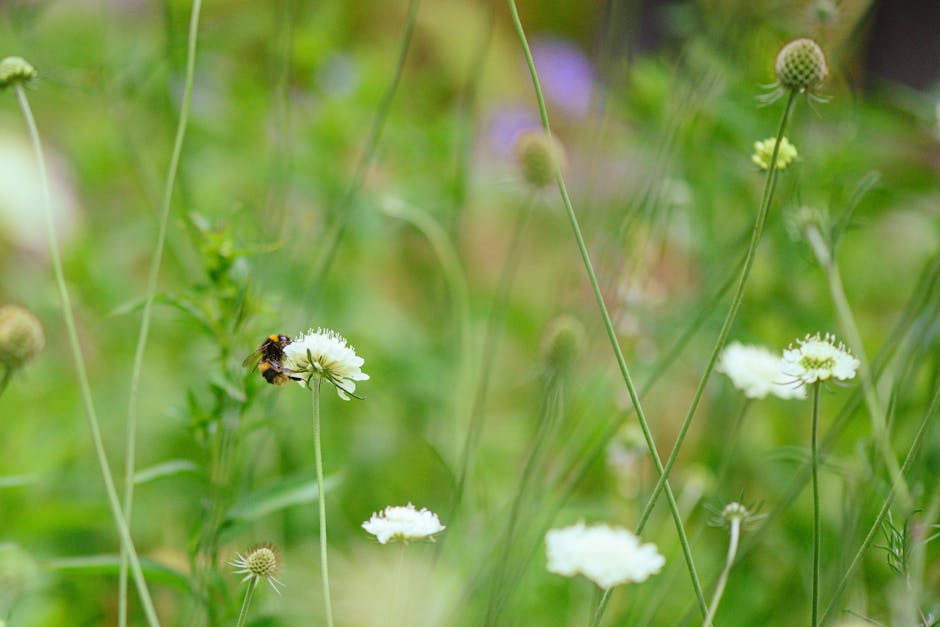
- Improved habitat value: mixed planting can support pollinators and other garden wildlife.
- Resilience in changing weather: a more varied garden often copes better with hot spells, wet patches, and patchy shade.
There is also a subtle quality-of-life benefit. When the lawn is tidy and the wildflower area is in its right phase, the garden feels calmer. You can notice it almost immediately when you step outside with a cup of tea on a Saturday morning. The place just breathes better.
Who This Is For and When It Makes Sense
This guide is useful if you're a homeowner, landlord, property manager, or simply someone trying to make a small outdoor space work harder. It is especially relevant if:
- your lawn has become thin, patchy, or mossy
- you want a low-maintenance wildflower area but don't want it to look neglected
- you have a garden with both formal and informal spaces
- you're trying to reduce the amount of constant mowing without losing structure
- you've recently had a garden clearance and want to rebuild the space properly
It also makes sense after bigger works. For example, if you've had trees reduced or removed, the light levels may change enough to alter what thrives. A stronger, sunnier border might suit meadow-style planting, while the leftover open area may need a new lawn strategy. In that case, services such as tree lopping and removal and garden clearance can set the stage for better long-term results.
If you already know the garden needs a reset, it may be worth looking at the wider service picture via services overview. That helps you decide whether this is a simple maintenance job or something closer to a small redesign.
Step-by-Step Guidance
Here's the practical part. No fluff, just the sequence that usually works best.
1. Assess the garden as separate zones
Walk the space slowly and look at it in sections. Which areas need to stay usable? Which parts are more decorative? Where does the grass thin out, and where do wildflowers keep failing? In many gardens, the answer is not that the whole plot is bad. It's that the wrong method has been used in the wrong spot.
2. Test the soil with your eyes and hands first
You do not need to overdo soil science to make progress. Feel whether the ground is compacted, wet, gritty, or sticky. Notice whether moss is taking over the lawn or whether coarse grasses are dominating the wildflower section. These clues tell you far more than guesswork.
3. Reset the lawn properly
A tired lawn often needs a combination of scarifying, aeration, overseeding, and careful mowing. Don't rush it all at once. The lawn should be thick enough to crowd out weeds but not so stressed that it turns yellow every time the weather changes. If the lawn has become too much to keep up with, a regular lawn mowing schedule is often the simplest improvement with the biggest visible effect.
4. Prepare wildflower areas with restraint
Wildflower patches perform best when the soil is not overly rich. Remove excessive thatch or competitive growth. If you are starting from scratch, keep the seed mix appropriate to the light and moisture levels. A sunny edge by a fence is different from a shaded patch under mature trees. Obvious, maybe, but it gets missed all the time.
5. Cut at the right times
Lawns usually need regular mowing during active growth. Wildflower areas usually need a seasonal cut after flowering and again where necessary to stop dominance by coarse grasses. Timing is everything here. Cut too early and you lose flowers. Cut too late and the patch becomes messy in the wrong way.
6. Keep the boundary clean
The line between lawn and meadow should be visible. That edge is doing a lot of work for you. It signals design, stops creeping grass from taking over, and makes the garden feel tidy even when the wildflower section is relaxed. A sharp edge is one of those small details people notice without realising why.
7. Review monthly, not just seasonally
That last part is important. A monthly glance catches problems early: dry patches, self-seeding where you don't want it, weeds pushing through, or lawn that is being cut too short. Gardens change fast. One windy week, a bit of rain, and suddenly things have shifted.
Expert Tips for Better Results
These are the small adjustments that tend to separate "fair enough" results from genuinely good ones.
- Do not feed everything the same way. Wildflowers and lawns have different nutritional needs. Treating them the same usually causes one of them to suffer.
- Keep mower blades sharp. A blunt cut tears grass and leaves ragged edges, which is never ideal. You can hear it too, that rough, dry rasp as the mower struggles. Not a good sign.
- Leave some wild areas a little longer between cuts. Even tidy wildflower management should allow life cycles to complete.
- Use light-touch weed control. If you must intervene, be selective. Heavy-handed treatment can damage nearby growth.
- Think about water movement. After rain, note where puddles linger. That often explains lawn decline far better than "bad luck".
- Match the style to the garden size. In a smaller Hounslow garden, a narrow wildflower strip often works better than a large meadow block.
Expert summary: the best wildflower and lawn gardens are usually not the most dramatic ones. They are the ones where each area has a job, each cut has a purpose, and the edges are kept honest.
If a garden includes hedges, trimming them at the right height can also improve light and airflow. That in turn helps lawns recover and stops wildflower sections from getting too shaded. A tidy hedge can change the whole mood of a border. See hedge trimming if that's part of your wider plan.
Common Mistakes to Avoid
Most problems here are not dramatic. They're cumulative. A little too much of this, a little too much neglect of that, and suddenly the whole thing looks tired.
- Cutting wildflowers like lawn: this removes flowers before they have finished their cycle.
- Overfeeding the wildflower area: fertile soil often encourages grasses over flowers.
- Scalping the lawn: cutting too low weakens grass and opens space for moss and weeds.
- Ignoring edges: messy transitions make even a healthy garden look unfinished.
- Using a single maintenance routine for the whole garden: this is the big one, honestly.
- Leaving old cuttings behind: this can smother new growth in wildflower areas.
One common scene: a gardener wants a meadow feel, so they stop mowing the patch altogether. Sounds sensible. But after a few months the area becomes dominated by coarse growth and the original seed mix gets lost. The fix is not more neglect; it is better timing.
Tools, Resources and Recommendations
You do not need an enormous toolkit, but the right tools make the work cleaner and safer.
| Tool or resource | Best use | Why it helps |
|---|---|---|
| Lawn mower | Regular lawn cutting | Keeps grass at a controlled height and improves appearance |
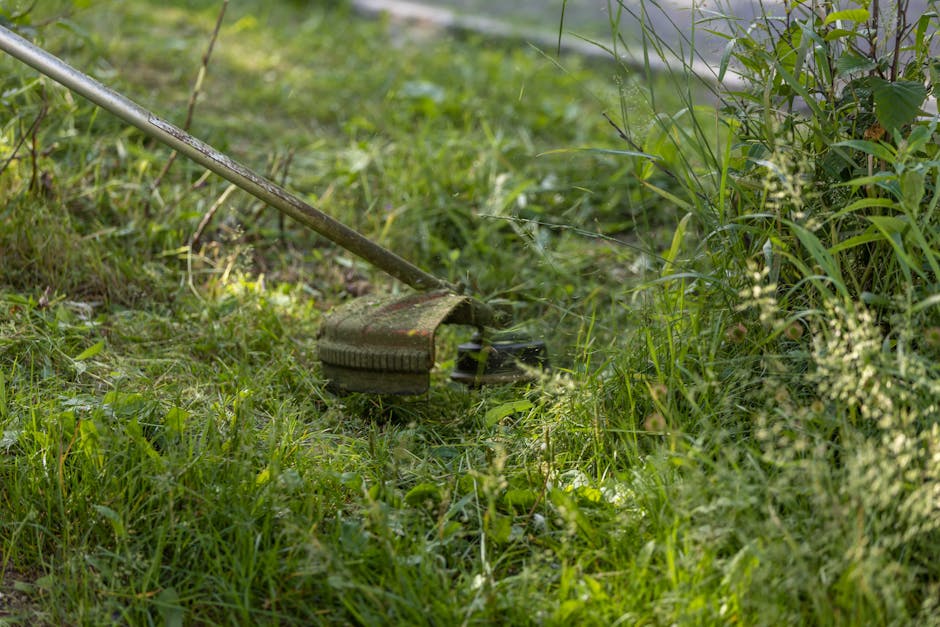
| Shears or a strimmer | Edging and detailed cutting | Useful around borders and awkward corners |
| Leaf rake | Clearing cuttings and debris | Stops smothering and keeps areas breathable |
| Fork or aerator | Loosening compacted lawn soil | Improves air and water movement to the roots |
| Sharp edging tool | Separating lawn from wildflower space | Creates that clean, deliberate finish |
For many homeowners, the most useful resource is not another gadget. It is a reliable maintenance rhythm. If you'd rather not manage the timing yourself, a recurring service through garden maintenance can keep the job consistent without you having to watch the calendar like a hawk.
If sustainability matters to you, the site's recycling and sustainability information is also worth a look, especially when you are clearing clippings or planning a more environmentally thoughtful garden routine.
Law, Compliance, Standards, or Best Practice
This topic is mostly about best practice rather than complicated rules, but there are still sensible standards to keep in mind. In the UK, garden work should be carried out safely, with proper care around tools, debris, and access routes. If work involves ladders, powered equipment, or tree-related tasks, a cautious approach is always the right one. Truth be told, most garden problems are far cheaper to prevent than to fix.
For homeowners, the practical compliance angle usually comes down to a few basics:
- keep walkways safe and clear during work
- store tools properly
- use appropriate protective equipment when needed
- avoid creating trip hazards with cuttings or edging debris
- check whether a task is beyond simple DIY, especially where height or heavy clearance is involved
If you are hiring help, look for clear policies and responsible working practices. Pages such as health and safety policy, insurance and safety, and payment and security give useful reassurance about how a company thinks and operates. That trust signal matters more than people sometimes admit.
There is also a practical service expectation point: a good gardener should explain what is being done, what can wait, and what might need a different approach next season. Clear communication is part of the standard, even if it doesn't sound glamorous.
Options, Methods, or Comparison Table
If you are deciding how hands-on to be, this comparison may help.
| Approach | Best for | Pros | Watch out for |
|---|---|---|---|
| DIY routine | Small, simple gardens | Low cost, flexible, personal control | Easy to miss timing or overcut the lawn |
| Scheduled maintenance | Busy households and rental properties | Consistency, tidy results, fewer surprises | Needs a clear scope so wildflower areas are treated correctly |
| One-off restoration | Overgrown or neglected spaces | Fast reset, visible improvement | Without follow-up, the garden can slide back again |
| Design-led landscaping | Gardens needing a full rethink | Better structure, better planting balance, long-term value | Usually more involved and needs planning |
For many local gardens, the sweet spot is a mix of routine maintenance and occasional design improvement. A space might not need a full overhaul. It might just need the right cuts, better edges, and one or two changes that let the planting settle properly.
Case Study or Real-World Example
Here's a typical kind of garden we see around the Hounslow area. A back garden has a small rectangular lawn, a strip along one side that the owner wants to turn into wildflowers, and a shaded corner near the fence where grass keeps thinning. The lawn has become uneven because mowing has been sporadic, and the wildflower strip was seeded into soil that was a bit too rich. The result? A mixed mess. Not a disaster, just one of those gardens that has lost its shape.
The fix started with a simple reset:
- the lawn was cut back gently rather than brutally
- the soil in the wildflower strip was reduced in fertility by removing excess top growth and cuttings
- the edge between the two zones was made sharp again
- the shaded corner was rethought rather than forced into the same treatment as the sunny lawn
After that, the garden looked immediately more intentional. Not perfect. Gardens rarely are, and that's fine. But it felt easier to manage. The lawn recovered better because it was no longer being hacked short, and the meadow strip had room to do what it was meant to do. That's usually the turning point: when the garden stops being one repeated problem and starts becoming a set of clear little jobs.
In that sort of case, a professional visit can be the difference between a patchy effort and a sustainable routine, especially when combined with landscape gardening advice or a broader tidy-up through garden clearance.
Practical Checklist
Use this checklist if you want a quick working plan before the next cut or seasonal tidy.
- Check whether each area is meant to be lawn, wildflower, or transition space.
- Inspect for shade, moisture, and compacted soil.
- Set the mower height sensibly; avoid scalping.
- Keep wildflower cuts seasonal, not weekly.
- Remove cuttings from meadow areas where needed.
- Reinforce crisp edges between zones.
- Look for weeds before they seed heavily.
- Review hedge and tree shade if the garden feels dim.
- Schedule regular maintenance rather than waiting for visible decline.
- Choose professional help if the space has become overgrown or uneven.
Small reminder: if you can keep the routine simple enough that you will actually stick to it, you're halfway there already.
Get a free quote today and see how much you can save.
Conclusion
A good Hounslow Heath garden does not need to choose between tidy lawn and natural character. It can have both. The trick is understanding that wildflower spaces and lawns are neighbours, not clones. Give each one the right care, keep the edges clean, and review the garden often enough to catch drift before it becomes a problem.
That approach saves time, protects the look of the space, and usually makes the garden feel more generous than it really is. And honestly, in a busy part of London, that matters. A garden that works with you instead of against you is a quiet kind of luxury. Simple, but lovely.
If your garden needs a reset, a clearer maintenance rhythm, or help balancing natural planting with a healthy lawn, the next step is often just getting practical advice from a local team that understands how these spaces behave on real properties, not just in theory.
Sometimes the best gardens are the ones that feel calm because someone cared enough to do the small things properly.
Frequently Asked Questions
How often should I mow a lawn if I also have a wildflower area?
Usually the lawn needs regular mowing during the growing season, while the wildflower area should be cut far less often. The two spaces should not be treated the same. A lawn likes consistency; a wildflower patch needs breathing room.
Can wildflowers and lawn sit next to each other in a small garden?
Yes, and it often works very well in compact gardens. The key is to keep the boundary clear and choose the right scale. A narrow wildflower strip can look better than trying to force a full meadow effect into a tight space.
What is the biggest mistake people make with wildflower lawns?
The most common mistake is mowing or feeding them like regular grass. That tends to favour coarse growth over flowers. A different maintenance rhythm is needed, otherwise the planting loses its identity.
Do wildflower areas need fertiliser?
Usually, not much. In many cases, too much fertility encourages grasses and reduces flower variety. If you are unsure, it is safer to be restrained rather than generous.
How do I revive a patchy lawn in Hounslow?
Start with assessment. Look for compaction, shade, drainage issues, and mowing habits. Then use a combination of careful cutting, aeration, overseeding, and sensible watering. If the lawn is badly neglected, a maintenance plan or restoration visit may be the better route.
When should a wildflower patch be cut back?
That depends on the mix, but the main principle is to wait until flowering and seed-setting are complete. Cutting too early means you lose the display. Cutting too late can leave the area coarse and untidy.
Should I remove all the clippings after mowing?
Not always. For lawns, light clippings can sometimes be left if they are not smothering the grass. For wildflower areas, removing cuttings is often better because it prevents excess nutrients from building up.
Can shade from trees affect lawn and wildflower care?
Very much so. Shaded lawns tend to thin out, and some wildflowers won't thrive in low light. If trees are a big factor, the garden may need a different planting layout or additional pruning support.
Is professional garden maintenance worth it for this kind of garden?
For many people, yes. If you want the lawn and wildflower areas to work together properly, a regular maintenance routine can save time and stop small issues from building up. It is especially useful if you're busy or the garden has already become difficult to manage.
What should I ask before hiring a gardener for lawn and wildflower work?
Ask how they handle different zones, how often they recommend cutting, what they do with clippings, and whether they can help with longer-term maintenance. It is also sensible to ask about insurance and safety and how payments are handled through payment and security.
What if my garden needs more than mowing and cutting?
Then you may be looking at a broader tidy-up or redesign. In that case, a mix of landscape gardening, garden clearance, and ongoing maintenance may be the sensible route. Sometimes the garden simply needs a fresh structure to make the maintenance realistic.
How do I know whether to keep or replace part of the lawn?
If the lawn is healthy enough to recover with basic care, keep it. If it is permanently thin, shaded, or awkwardly placed, replacing a section with wildflowers or another planted area may be the better long-term choice. That decision is often more about practicality than sentiment, and that's fine.