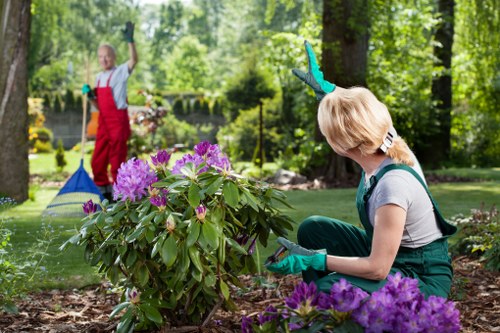
Gardening Hounslow: Recycling and Sustainability for Greener Gardens
Gardening Hounslow is committed to creating an eco-friendly waste disposal area and a sustainable rubbish gardening area across the borough. Our approach balances practical garden waste management with ambitious environmental goals: we have set a borough-wide recycling percentage target of 65% by 2030, with interim targets to reach 50% within the next three years. These targets are designed to accelerate diversion of green and mixed recycling from landfill, reduce carbon emissions from waste transport, and support local circular-economy projects that keep soil, plants and materials in productive use.
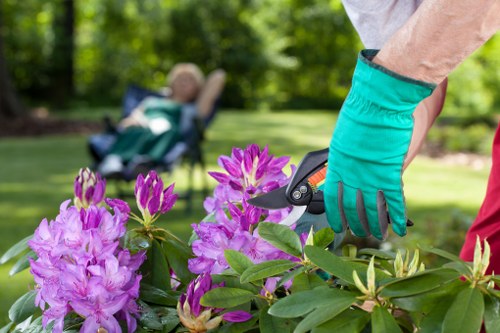 We work alongside Hounslow’s existing waste separation approach — encouraging residents and contractors to separate food waste, garden (green) waste and mixed recyclables — so that compostable materials are processed appropriately and clean packaging is recycled. The borough supports a three-stream focus in community and communal collection points (garden/green, food, and mixed recycling). For larger volumes generated by landscaping projects, we coordinate with local transfer stations and recycling hubs that serve West London to ensure materials are assigned to the correct processing route and not lost to residual streams.
To build a functional sustainable rubbish gardening area, we operate through practical on-the-ground measures: designated compost bays for woody and herbaceous cuttings, segregated skips for clean soil and inert materials, and dedicated containers for pots, plastic trays and plant labels. Our operational checklist promotes reuse first, then recycling, and only then responsible disposal. We also emphasise on-site sorting to reduce contamination — a small step on site that yields large improvements in recycling yields at transfer stations.
Local transfer stations and recycling hubs
Partnerships with transfer facilities and local hubs are central to our strategy. Gardening Hounslow collaborates with nearby transfer stations and community recycling centres that handle green waste, wood, and bulky garden refuse. These facilities allow us to route materials to composting facilities, anaerobic digestion for food-contaminated green waste, or wood recycling facilities for chipping and biomass use. By identifying the correct local transfer options, we reduce unnecessary-haul mileage and processing delays.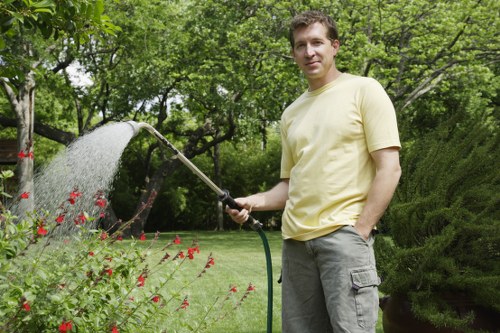
Low-carbon transport and logistics
We have modernised our fleet to lower operational emissions: low-carbon vans, including fully electric vehicles and plug-in hybrids, handle tool movement and small plant deliveries, while larger loads use low-emission Euro-6 vehicles and, where possible, consolidated drop-offs to minimise trips. Investing in low-carbon vans cuts the transport footprint of garden waste collection and supports the borough's wider air-quality targets. In inner-urban routes we supplement with cargo bikes and smaller electric carriers for tools and small materials to further reduce emissions.Our sustainability programme also includes formal partnerships with charities and reuse organisations. Instead of sending healthy plants, surplus soil or serviceable pots to waste, we collaborate with local charities, community gardens and reuse groups to redistribute viable items. These partnerships:
- Reduce waste by keeping reusable goods in circulation;
- Support community projects such as planting schemes and allotment initiatives;
- Create training and employment opportunities through reuse social enterprises.
 To help contractors and residents implement best practice we publish simple standards for on-site separation: clear labelling, separation of organic and inorganic wastes, and pre-booked transfer movements for large clearances. These standards are communicated through project briefs and toolbox talks (not as guides), and they align with the borough’s requirements for waste-duty compliance. Where possible we encourage reuse stations on larger projects so materials can be inspected and claimed before being consolidated for collection.
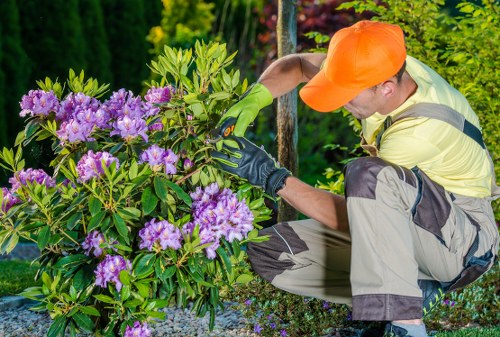 Monitoring, reporting and continuous improvement are key to reaching our recycling percentage target. Gardening Hounslow measures diversion rates from each project and logs the tonnage sent to composting, wood recycling, material recovery facilities, and reuse partners. Quarterly reports highlight progress against the 65% by 2030 target and identify hotspots for contamination or inefficiency. We use this data to refine routes, invest in more low-carbon vans where necessary, and enhance training for operatives on waste separation and materials handling.
Practical recycling activities relevant to the borough include: segregated collection of garden cuttings for open-windrow composting or in-vessel processing; collection of food-contaminated green waste for anaerobic digestion; chip-and-reuse streams for bulky woody material; and the recovery of clean soil and rubble for reuse in brownfield landscaping. These activities reflect Hounslow’s emphasis on source separation and local processing, helping to close nutrient loops and keep carbon locked into soils rather than emitted through transport and landfill.
By combining investment in low-carbon vans, local transfer station partnerships, and charity-led reuse networks, Gardening Hounslow delivers a practical, community-centred approach to sustainable rubbish gardening areas. Our bold targets and operational measures are about more than compliance: they are designed to protect local green spaces, reduce the environmental cost of gardening waste, and support a resilient, circular approach that benefits residents and local ecosystems alike.
Join the movement: when projects are planned, ask for separated collections, nominate items for reuse, and prioritise low-emission delivery options. Together we can meet the borough recycling percentage target and create truly sustainable, low-carbon gardening practices across Hounslow.