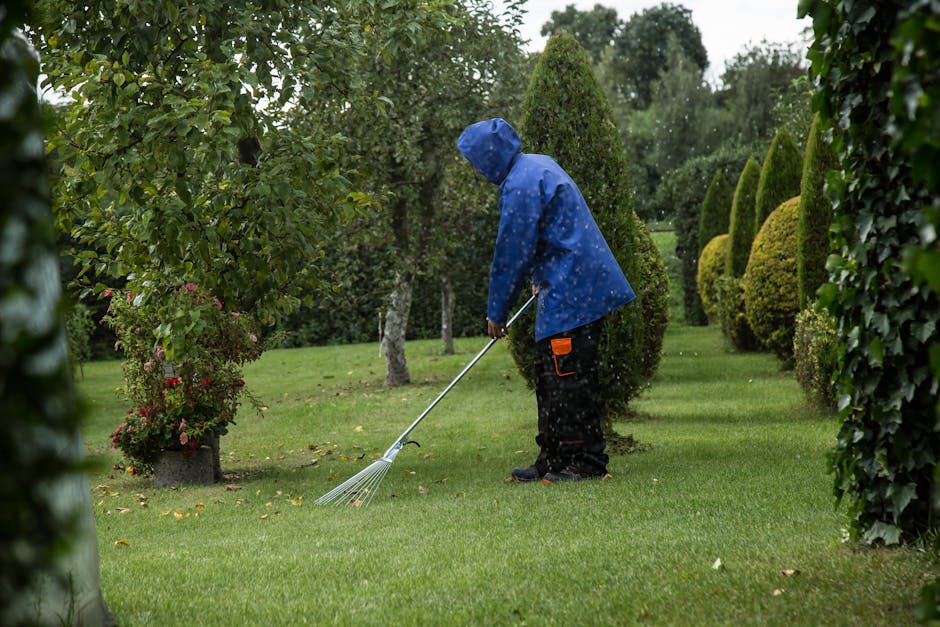
Lampton Park Hounslow gardeners guide planting and lawn care
If you're looking for a Lampton Park Hounslow gardeners guide planting and lawn care, you probably want the same thing most local gardeners do: healthier borders, a better-looking lawn, and a plan that actually suits west London conditions. That sounds simple enough. In practice, it can be a bit fiddly. Clay soil, patchy shade, foot traffic, occasional dryness in summer, and the usual London mix of wind, rain, and busy everyday life all shape what works and what doesn't.
This guide brings the two biggest garden jobs together: planting and lawn care. It explains how to read the space, choose plants that settle well, keep grass resilient, and avoid the small mistakes that turn a decent garden into a tired one. You'll also find a step-by-step approach, comparison points, a practical checklist, and a few notes on best practice so you can make decisions with confidence. Let's face it, most gardens don't need a dramatic makeover. They need steady, sensible care.
Why Lampton Park Hounslow gardeners guide planting and lawn care Matters
A good garden in Lampton Park, Hounslow is not just about appearances. It affects how often you use the space, how much maintenance it needs, and whether the planting feels calm or constantly out of control. In this part of London, gardens often deal with a mixed set of conditions: compacted soil, surrounding buildings that create shade, dry spells that arrive just when new plants are settling in, and lawns that get worn by family use, pets, or simply the everyday footfall of life.
That is why planting and lawn care should be planned together rather than treated as separate jobs. A border full of thirsty plants beside a lawn that already struggles in shade will never feel balanced. Likewise, a beautifully planted bed can look unfinished if the grass around it is thin, mossy, or patchy. The whole space has to work as one.
In our experience, the gardens that look best over time are not always the ones with the most expensive plants. They're the ones that match the site. That means choosing plants for sun or shade, improving the soil before planting, mowing with care, and knowing when to leave something alone rather than interfering every week. Simple, but not always easy.
It also matters because local gardens are changing. People want lower-maintenance planting, better biodiversity, and lawns that can cope with real use. Some want a crisp ornamental finish; others want a family lawn with a few borders and a softer, more natural feel. Either way, the principles are similar: understand the space, choose suitable materials, and keep on top of the basics.
How Lampton Park Hounslow gardeners guide planting and lawn care Works
The process is really about reading the garden before acting. Good gardeners look at light, soil texture, drainage, access, and how the space is used. That first assessment changes everything. A shaded north-facing lawn, for example, needs a different approach from a sunny front garden with free-draining soil and heavy summer use.
For planting, the work usually starts with structure. You decide where the visual anchors go, which areas need seasonal colour, where evergreen cover will help, and where space should be left open. Then you match plants to those conditions. For lawns, the approach is more technical: correct mowing height, feeding at the right time, scarifying if needed, aerating compacted ground, overseeding bare patches, and adjusting watering so the grass can establish properly without getting lazy and shallow-rooted.
There is a rhythm to it. Spring often focuses on recovery and establishment. Summer is about moisture management and keeping growth steady. Autumn is ideal for renovation work, especially if the lawn has thinned or the borders need replanting. Winter, to be fair, is not a complete write-off; it's the time to plan, prune some plants, tidy edges, and prepare for the year ahead.
If you want a broader overview of what a local team can handle, the services overview is useful reading. And if you're still comparing options, the about us page helps set the tone for how the work is approached.
Key Benefits and Practical Advantages
When planting and lawn care are planned properly, the benefits show up fast. Some are obvious. Others sneak up on you after a few months when the garden suddenly feels easier to live with.
- Better plant establishment: suitable plants settle in faster and need less rescue work.
- Healthier turf: a lawn with good drainage, decent mowing and seasonal feeding stands up better to wear.
- Lower maintenance: a garden that suits the site needs fewer emergency fixes.
- Improved appearance: borders, edges and grass feel more joined-up and intentional.
- Stronger seasonal interest: you can build colour and texture across the year, not just in one month.
- More usable outdoor space: a lawn that recovers well and planting that doesn't sprawl make the garden more practical.
There's also a less obvious benefit: confidence. Once you know why a certain plant is in the right place, or why the lawn is being treated in a particular way, you stop second-guessing every decision. That makes the whole process calmer. And frankly, calmer gardens are easier to enjoy.
Who This Is For and When It Makes Sense
This guide is useful for several kinds of gardeners and property owners in and around Hounslow:
- homeowners with tired lawns or overgrown borders
- landlords who want an outdoor space that looks cared for without constant call-outs
- families who need a lawn that can handle regular use
- new homeowners starting from scratch with a blank or neglected plot
- people planning a seasonal refresh rather than a full garden rebuild
- anyone who wants professional support but still wants to understand what good practice looks like
It makes sense whenever the garden has started to feel a bit out of balance. Maybe the lawn is thinning in the middle while the border is too crowded at the edges. Maybe the planting looks fine in April and flat by August. Or maybe you simply don't have the time to keep tinkering with it every weekend. That happens more than people admit.
Sometimes the right move is a quick tidy-up and targeted repair work. Other times, it's better to step back and rework the layout. Knowing the difference saves money and frustration.
Step-by-Step Guidance
Here's a practical, garden-first approach that works well for planting and lawn care in a local London setting.
1. Assess the site properly
Start with light, soil, drainage, and use. Ask yourself:
- Where does the sun fall during the day?
- Which areas stay damp after rain?
- Does the lawn get constant foot traffic?
- Are there roots, fences, walls, or hard surfaces changing the growing conditions?
This stage sounds basic, but it saves the most headaches. A plant that looks perfect in a catalogue can sulk for months if the conditions are wrong.
2. Prepare the soil before planting
Soil preparation is often the difference between planting that thrives and planting that limps along. Remove weeds carefully, break up compacted ground, and work in organic matter where appropriate. In heavier soils, improving structure matters more than chasing fancy fertiliser. Roots need air and drainage as much as nutrients.
If you're creating new beds, keep the edges sensible and allow enough room for mature growth. Tiny planting pockets look neat for about ten minutes.
3. Choose plants for the actual conditions
For shady spaces, consider shade-tolerant planting with layered texture. For sunnier spots, choose plants that cope with heat and dry periods. Group plants by water need so you're not constantly watering one corner and overdoing another. Evergreen structure, seasonal flowers, and ground cover usually work best when combined rather than used alone.
A healthy border often includes:
- structure shrubs for year-round shape
- perennials for recurring colour
- bulbs for early-season lift
- ground cover to reduce bare soil and suppress weeds
4. Renovate the lawn where needed
If the grass is patchy, start with the cause. Is it shade? Compaction? Poor mowing? Dog traffic? Drought stress? Fixing the symptom without the cause is a classic waste of energy, and nobody needs that.
Typical lawn recovery steps include:
- raking out dead thatch and surface debris
- mowing at a sensible height, not scalping the grass
- aerating compacted areas to help air and water reach the roots
- top-dressing where the surface is uneven
- overseeding thin areas with suitable grass seed
- watering lightly and consistently while new growth establishes
For very tired lawns, a phased renovation can be wiser than trying to fix everything at once. Small wins stack up.
5. Set a maintenance rhythm
Once the garden is in better shape, keep the routine realistic. Weekly mowing in growth season, occasional edging, deadheading where appropriate, and seasonal feeding or mulching can keep the whole space moving in the right direction. The point is not perfection. The point is momentum.
Expert Tips for Better Results
Some small adjustments make an outsized difference. These are the kinds of details experienced gardeners tend to notice quickly.
- Mow high in dry spells: longer grass shades the soil and helps moisture stay in place.
- Water deeply, not constantly: shallow watering encourages shallow roots.
- Mulch borders where possible: it helps retain moisture and reduces weed pressure.
- Don't overcrowd plants: young beds can look sparse, but they fill out with time.
- Use the right grass seed mix: shady lawns and sunny lawns do not want the same thing.
- Edge carefully: clean edges make even a simple garden look sharply maintained.
One thing people often miss is timing. A plant moved at the right time of year can establish quietly and well. A plant moved at the wrong time spends the season recovering. Same with lawns. Autumn and spring generally offer better conditions for renovation than the hottest part of summer, when the garden seems to be fending for itself.
And yes, sometimes the best thing you can do is wait a week before making a drastic cut or replanting a whole bed. The garden will still be there. No need to wrestle it in a single afternoon.
Common Mistakes to Avoid
Most disappointing gardens are not ruined by one big error. They're worn down by a series of smaller ones.
- Choosing plants for looks alone: pretty plants are fine, but they need to suit the light and soil.
- Scalping the lawn: cutting too short weakens grass and invites moss, weeds, and stress.
- Ignoring compaction: if soil and turf are squeezed hard, roots struggle.
- Overwatering: too much water can be as unhelpful as too little.
- Feeding at random: lawn and planting feed should match the season and the plant's needs.
- Leaving borders too bare: bare soil dries out fast and invites weed growth.
- Trying to fix everything at once: gardens usually respond better to steady, staged improvement.
A common one in small London gardens is mixing sun-loving and shade-loving plants in the same bed, then wondering why half of them look tired by midsummer. Truth be told, the plants are usually telling you exactly what they need. We just don't always listen the first time.
Tools, Resources and Recommendations
You do not need a shed full of specialist kit to maintain a good garden, but a few reliable tools make life a lot easier.
- For planting: spade, fork, hand trowel, secateurs, watering can or hose with controlled flow, mulch material, and gloves.
- For lawns: mower with adjustable height, rake or scarifier, aerator, edging tool, top-dressing material, and grass seed suited to the site.
- For planning: notebook, simple garden sketch, and a seasonal maintenance plan.
Good resources are often the simple ones: a clear record of what you planted, when you fed the lawn, where the shaded spots are, and which areas dry out first. That kind of basic information saves time later. It really does.
If you're thinking beyond the work itself and want to understand how a local service is structured, the pricing and quotes page is helpful. For practical standards around site care, the health and safety policy and insurance and safety information offer reassurance too.
Law, Compliance, Standards, or Best Practice
For most domestic garden work, the key concern is not heavy regulation but sensible best practice. That said, professional gardeners still need to work safely, protect property, and handle waste responsibly. If you are hiring help, it is reasonable to expect clear communication, proper insurance, and safe working methods.
Best practice usually includes:
- careful handling of tools and machinery
- good site awareness, especially around children, pets, and access routes
- appropriate waste separation and recycling where feasible
- clear agreement on scope, timing, and responsibilities
- respect for privacy, neighbouring property, and access needs
There are also practical trust markers worth checking. A clear terms and conditions page, transparent payment and security information, and a straightforward complaints procedure all suggest an organised, accountable service. That matters more than people sometimes think.
For environmentally aware gardening, the recycling and sustainability page is also worth a look. It reflects a common-sense approach: reuse what can be reused, compost where possible, and avoid waste when there's a cleaner option.
Options, Methods, or Comparison Table
When gardeners are choosing how to approach planting and lawn care, the main decision is usually whether to do a light refresh, a partial renovation, or a more complete reset. Each has a place.
| Approach | Best for | Pros | Trade-offs |
|---|---|---|---|
| Light maintenance | Generally healthy gardens needing routine care | Lowest disruption, easiest to maintain | Won't solve deeper soil or turf issues |
| Targeted renovation | Patchy lawns, tired borders, seasonal decline | Cost-effective, practical, visible improvement | Needs some planning and patience |
| Full redesign | Severely neglected or badly mismatched gardens | Complete reset, strong long-term potential | More time, more disruption, usually higher cost |
There isn't a perfect answer for every garden. A family lawn with a few bare patches does not need the same treatment as a long-neglected back garden where the borders have swallowed the grass entirely. The right choice depends on budget, time, and how quickly you need the result.
Case Study or Real-World Example
Picture a modest Hounslow garden with a lawn that has gone thin near the patio and a border that receives morning sun but afternoon shade. The owner wants a better outdoor space without ripping everything out. A sensible plan would start with soil improvement, not new decoration. The lawn would be aerated and overseeded in the worn areas, then watered properly for establishment. The border would be thinned, refreshed with a few reliable shade-tolerant shrubs, and underplanted with perennials and ground cover to reduce bare soil.
After a few weeks, the difference might not be dramatic in a glossy-before-and-after sense. But the garden would feel more stable. By the next season, the lawn would be thicker, the border less patchy, and the whole place easier to keep tidy on a normal weekly schedule. That's the kind of change that matters day to day. It's practical, not flashy.
In a real garden, there's often a moment where the owner stands by the back door with a mug in hand and realises the space finally works. Not perfect. Just right enough. That's a good result.
Practical Checklist
Use this checklist before starting planting or lawn work in Lampton Park, Hounslow:
- Check how much sun and shade the garden gets.
- Assess whether soil is heavy, dry, compacted, or free draining.
- Decide which parts of the garden need planting, lawn recovery, or both.
- Choose plants that match the site, not just the colour scheme.
- Prepare soil before planting and remove weeds thoroughly.
- Set the mower to a sensible height and avoid scalping the lawn.
- Aerate and overseed if the grass is thin or compacted.
- Mulch borders where useful to retain moisture and reduce weeds.
- Plan watering based on establishment needs, not guesswork.
- Keep a seasonal maintenance routine you can actually stick to.
Expert summary: if the garden is failing in several places at once, start with the soil and the site conditions. Once those are understood, the planting and lawn care decisions become much easier. That is usually where the real improvement begins.
If you'd like support with a local garden refresh, it's sensible to review the available gardening services, check the pricing and quotes information, and then move forward when the plan feels right. If you need a direct conversation, the contact us page is the obvious next step.
Get a free quote today and see how much you can save.
Conclusion
The best Lampton Park Hounslow gardeners guide planting and lawn care advice is not about doing more. It is about doing the right things in the right order. Read the site, improve the soil, choose plants that suit the conditions, and treat the lawn as part of the whole garden rather than an afterthought. That approach gives you a calmer, more useful space with fewer surprises along the way.
Whether you want a tidy seasonal refresh or a more involved renovation, the principles stay the same: plan carefully, keep maintenance realistic, and let the garden settle into something that fits how you actually live. Small improvements, repeated well, go a long way. And honestly, that is usually what makes a garden feel loved.
Frequently Asked Questions
What is the best time of year for planting in Lampton Park, Hounslow?
Spring and autumn are usually the most forgiving seasons because temperatures are milder and plants have a better chance to establish without constant stress. That said, the exact timing depends on the plant and the soil conditions.
How do I know if my lawn needs renovation or just routine care?
If the grass is healthy but a little untidy, regular mowing, feeding, and edging may be enough. If there are bare patches, compaction, moss, or poor recovery after use, then targeted renovation is probably the better option.
Which plants work well in shaded Hounslow gardens?
Shade-tolerant shrubs, hardy perennials, and ground cover plants tend to do better than sun-loving varieties. The key is matching the plant to the actual light level, not the wishful version of the garden.
How often should I mow the lawn during the growing season?
That depends on growth rate, weather, and how used the lawn is. A weekly rhythm is common in active growing periods, but the correct mowing height matters more than chasing a fixed schedule.
Should I feed the lawn before or after mowing?
In most cases, mow first if the grass needs it, then feed according to the product instructions and seasonal needs. Feeding at the wrong time can be wasteful or even stressful for the turf.
What causes patchy grass in local gardens?
Common causes include shade, compaction, poor drainage, drought, heavy traffic, and incorrect mowing. Sometimes there is more than one cause, which is why a quick visual fix can fall short.
How much garden maintenance do new planting beds need?
New beds usually need more attention while plants establish. Regular watering, weeding, and occasional checking make a big difference during that first season or so.
Is overseeding worth doing on a tired lawn?
Yes, if the lawn still has a decent base but has thinned out. Overseeding can improve density and appearance without needing a full replacement. It works best when combined with aeration and good aftercare.
What should I look for in a local gardening service?
Look for clear communication, sensible seasonal advice, transparent pricing, proper safety practices, and a service that explains what will happen and why. Trust matters. You want someone who treats the space carefully, not someone guessing as they go.
Can planting and lawn care be managed together in one visit?
Often, yes. In many gardens it makes sense to combine planting work, lawn care, edging, and tidy-up tasks so the garden is improved as a whole rather than in disconnected pieces.
How do I keep maintenance manageable if I'm short on time?
Choose resilient plants, simplify the border structure, mulch where possible, and keep the lawn at a sensible level of care rather than aiming for perfection. A realistic routine is much better than a fancy plan you never follow.
Where can I find more information about the service and policies?
You can review the services overview, about us, health and safety policy, and privacy policy pages for more context and reassurance.
Sometimes the garden just needs a careful pair of hands and a plan that makes sense. Start there, and the rest tends to follow.